お知らせ
News

長次郎

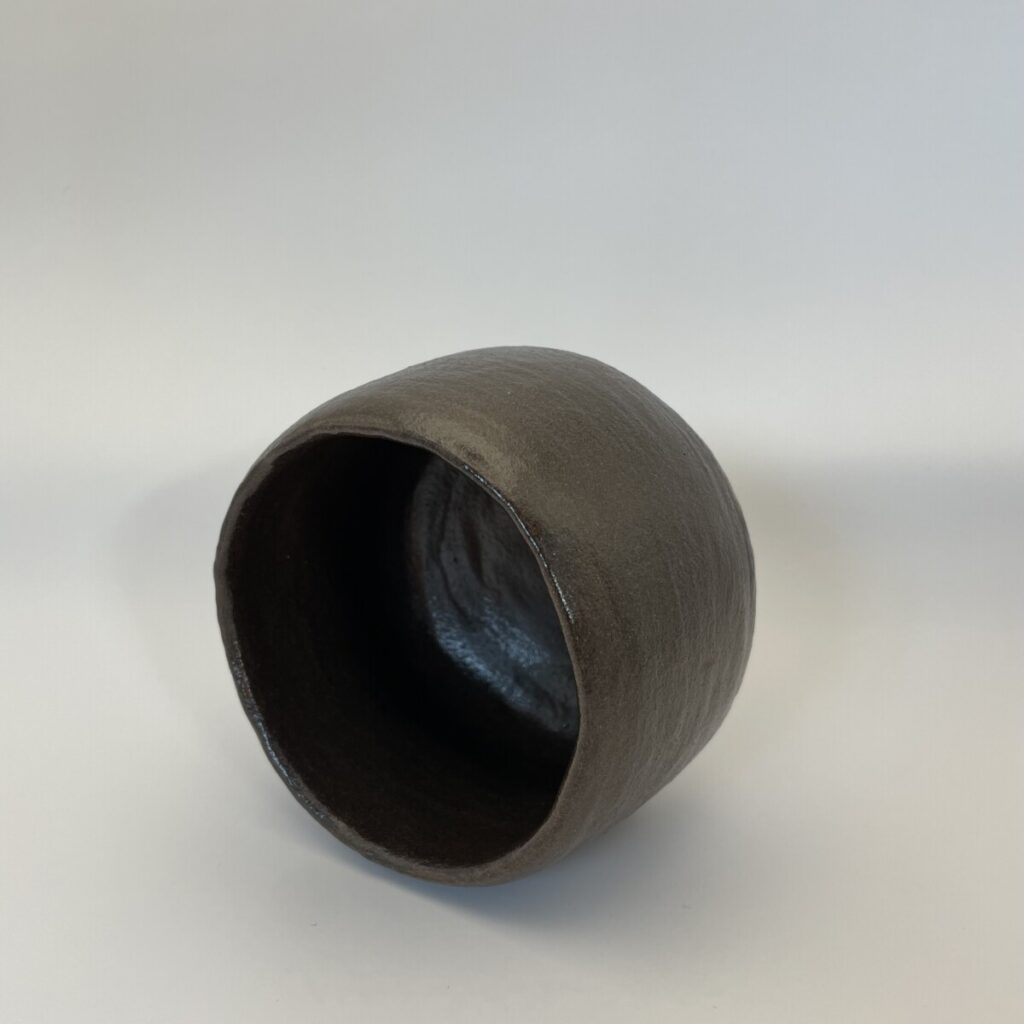
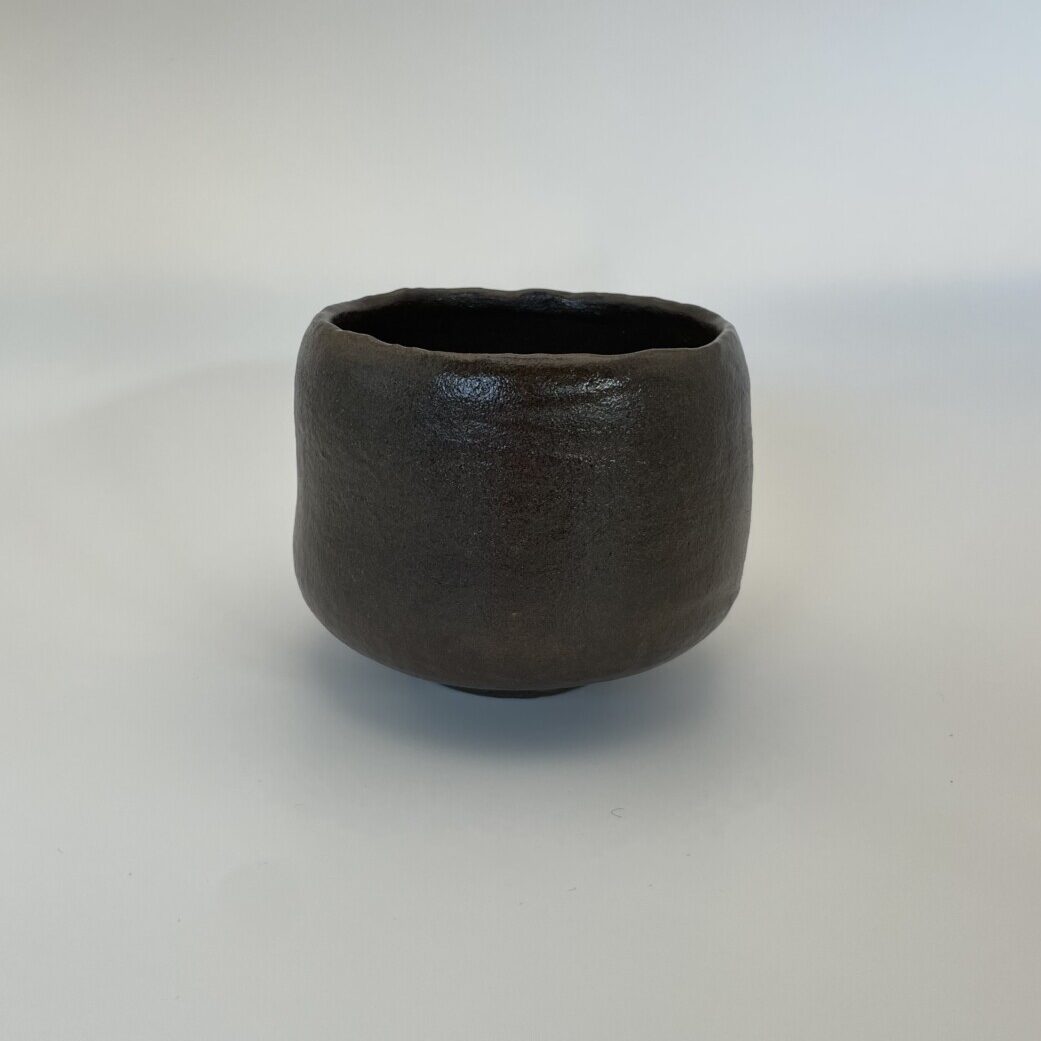
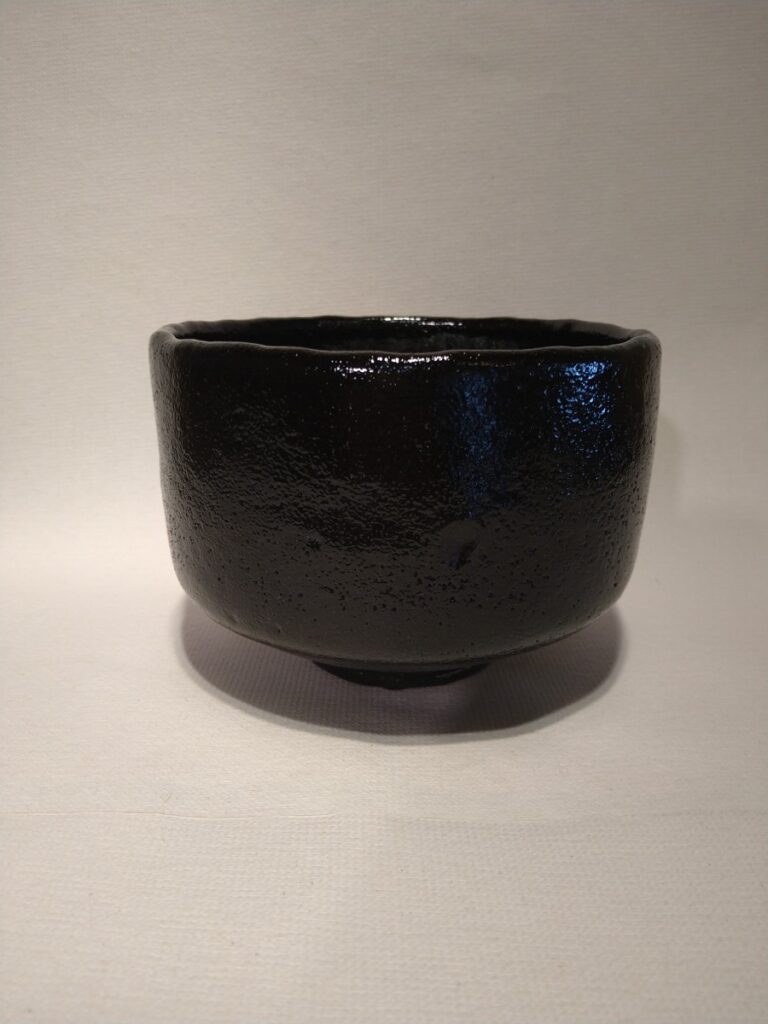
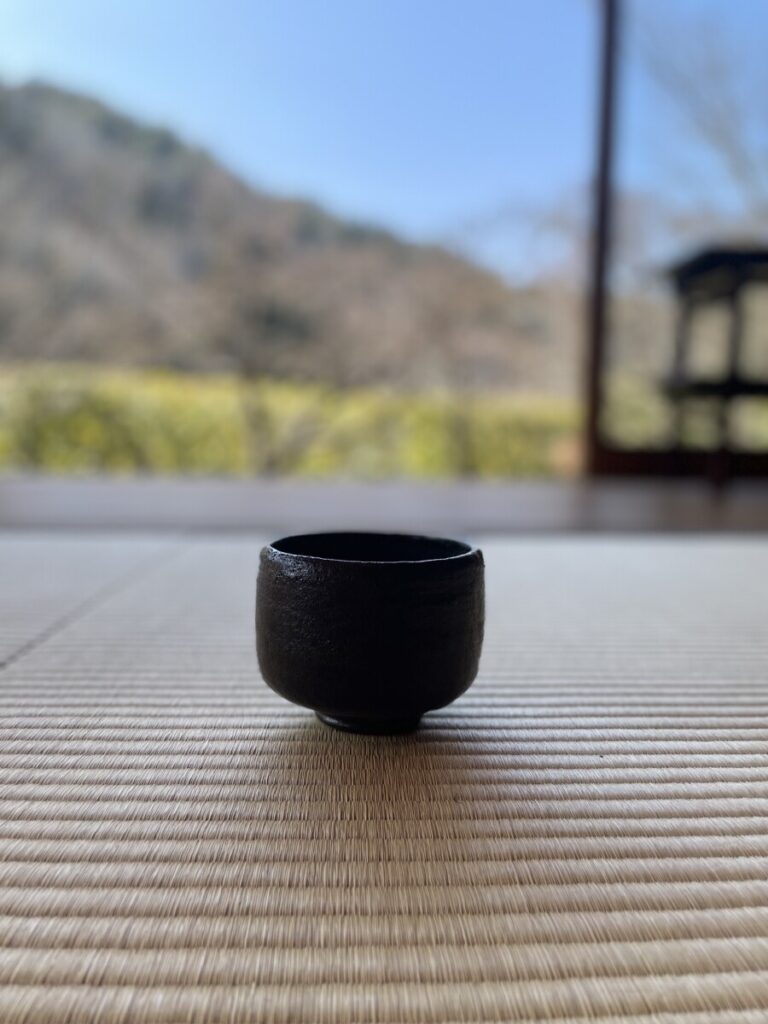
【重要文化財】黒茶碗 銘「大黒」長次郎作

2026.3.31  長次郎 

長次郎作の黒茶碗「大黒」は、どのように受け継がれてきたかが非常に明確な、特別な名碗です。
内箱の蓋には、表千家四代・江岑宗左(こうしん そうさ)が、「大黒 利休所持 少庵伝 宗旦 後藤小斎より宗左へ来る」と朱書きしており、外箱には九代・随流斎宗左(ずいりゅうさい そうさ)が「利休大黒」と記しています。
これらの書付が示すように、この茶碗はまず千利休が所有し、その後、利休の子である 少庵(しょうあん)、少庵の子である宗旦(そうたん)へと受け継がれました。
一時的に宗旦の弟子・後藤小斎の手に渡りましたが、江岑宗左の時代にふたたび千家に戻っています。
如心斎の頃まで表千家で大切に伝えられ、その後は大坂の豪商・鴻池家の蔵となり、同家の最も大切な宝物として戦後まで伝わりました。
作風は、口縁の起伏や抱え込みがやわらかく、胴には目立つヘラ跡もなく、腰の丸みも穏やかで、小ぶりの円形の高台も素直に削られています。全体として非常に品のある、端正で静かな姿をしています。こうした特徴から、「大黒」は宗易形(そうえきがた)茶碗の典型とされ、茶の湯で名高い 「利休七種茶碗」 の一つにも数えられています。
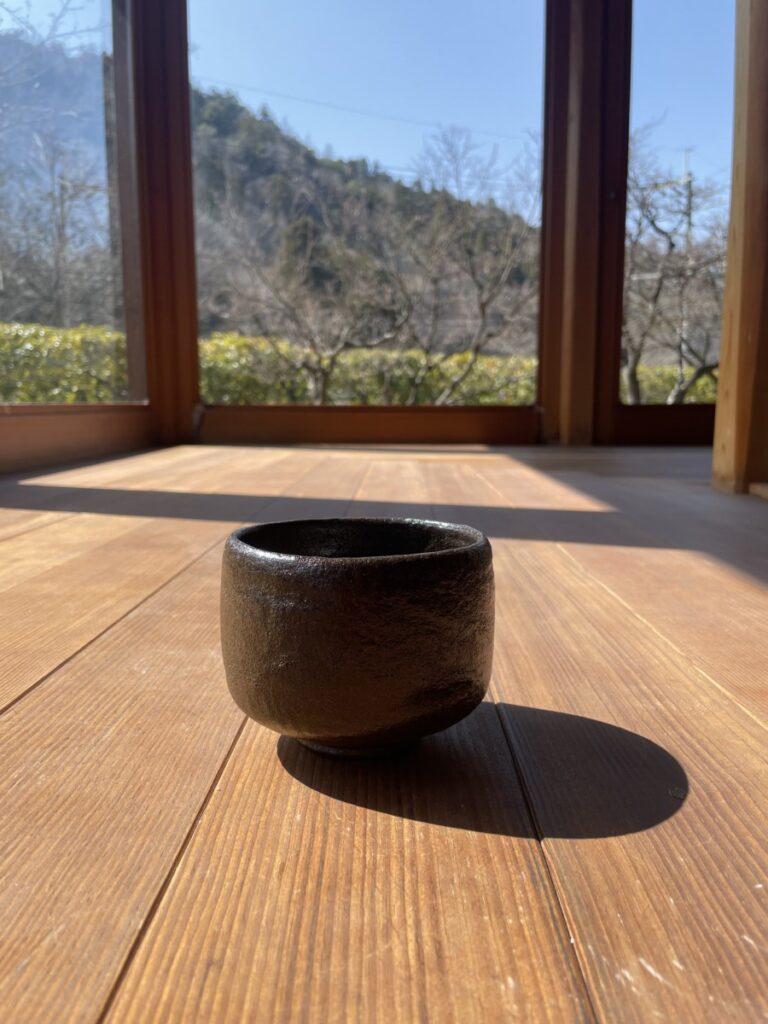
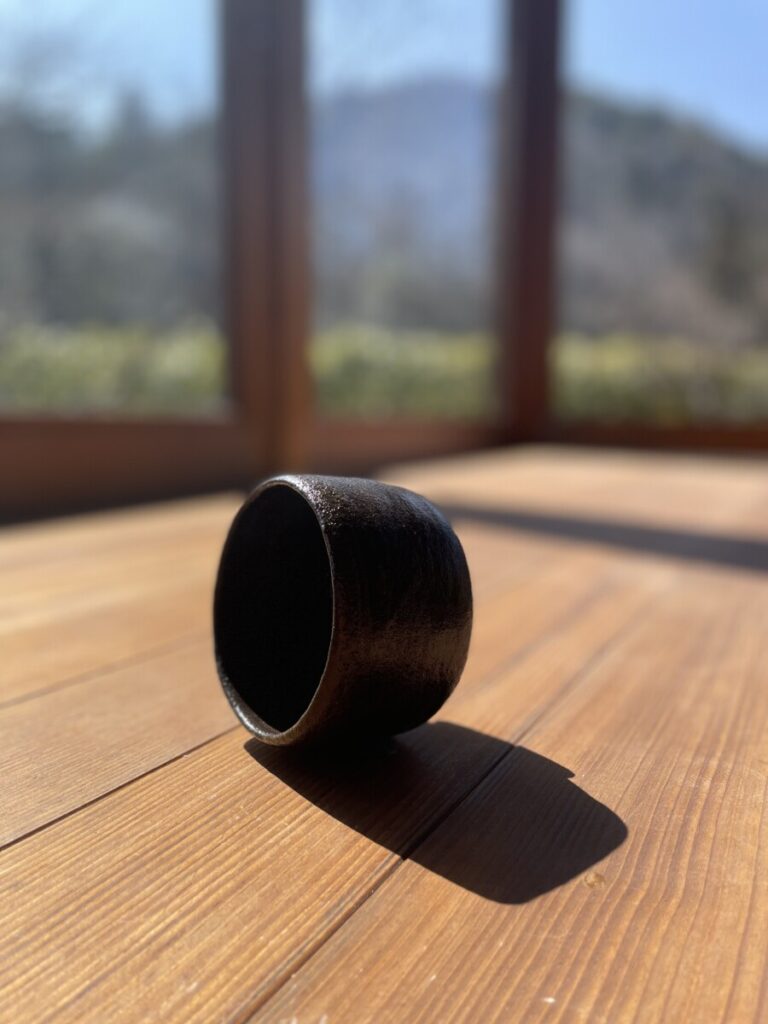
Black Tea Bowl “Ooguro”

The black tea bowl “Ooguro,” made by Chōjirō, is an exceptional masterpiece with an unusually well-documented history of ownership.
On the inside lid of the inner box, Kōshin Sōsa, the 4th head of the Omotesenke school, wrote in vermilion ink:
“Ooguro – Owned by Rikyū – Passed to Shōan – Then to Sōtan – From Gotō Kosai to Sōsa.”
On the outer box lid, the 9th head, Zuiryūsai Sōsa, inscribed the words “Rikyū Ooguro.”
These inscriptions clearly show that the bowl was first owned by Sen no Rikyū,then passed to his son Shōan,and subsequently to Shōan’s son Sōtan.
It was temporarily held by Sōtan’s disciple Gotō Kosai,but later returned to the Sen family during the era of Kōshin Sōsa.
The bowl remained highly valued within the Omotesenke tradition until the time of Joshinsai.
Afterward, it entered the collection of the prominent Osaka merchant family, the Konoike clan,

where it became their most treasured heirloom and was carefully preserved until after the war.
In terms of form, the rim displays gentle undulations, the body shows no prominent spatula marks,and the softly rounded waist flows into a small, neatly carved circular foot.
Its refined and dignified appearance reflects the quiet elegance characteristic of early Raku ware.
Because of these qualities, “Ooguro” is regarded as a quintessential example of the Sōeki-style tea bowland is counted among the famous “Seven Rikyū Tea Bowls.”
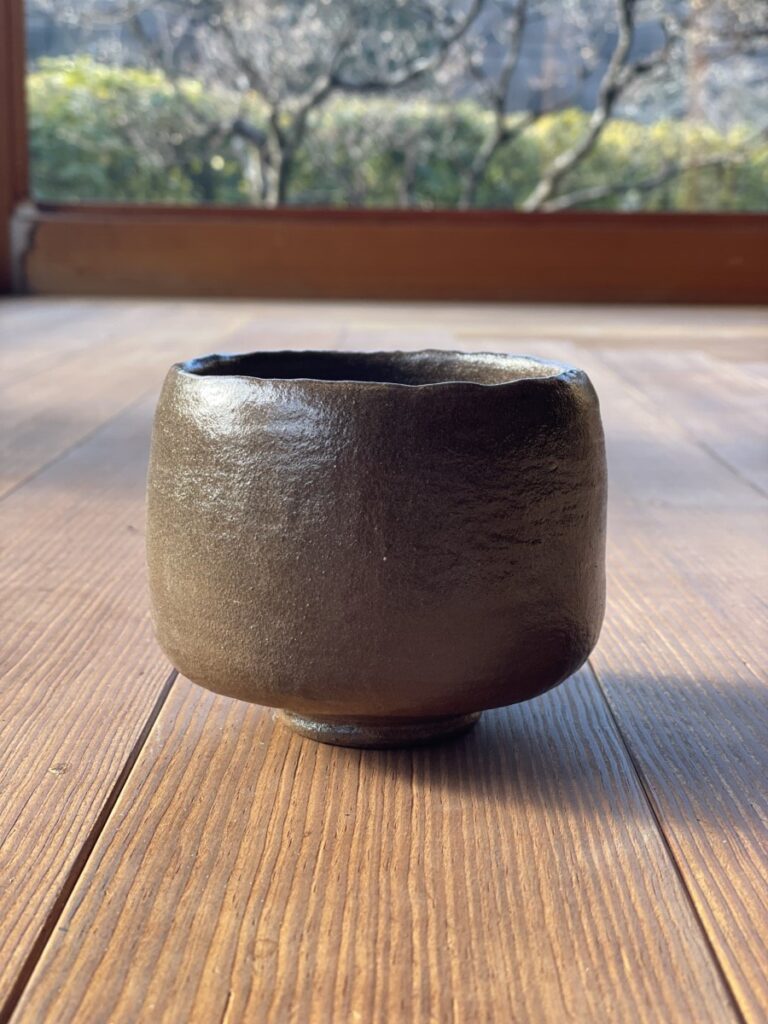
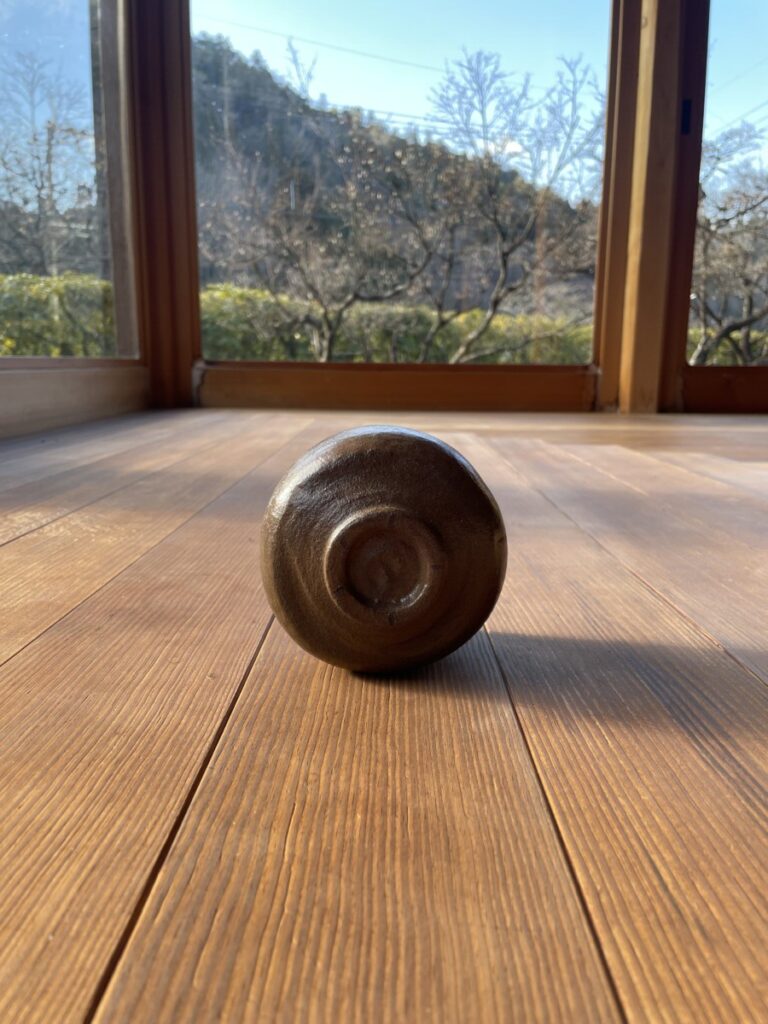
黒茶碗 銘「禿(かむろ)」長次郎作

2026.1.29  長次郎 

この茶碗は、千利休が所持していたと伝えられ、のちに山田宗偏へと受け継がれました。

その後、坂本周斎の手を経て、最終的に表千家へ戻ったとされています。現在も、不審菴を代表する第一級の名碗として大切に伝えられています。

利休が常に身近に置き、最も愛用した茶碗であったことから、「禿」という銘が付けられました。

高台まわりの底部が欠けたため、漆による小さな繕いの跡が残っています。

作行きは全体に滑らかで、無駄のない削りが施されており、「禿」という銘にふさわしい、穏やかで親しみ深い趣があります。口縁はわずかに波打ち、内側へしっかりと抱え込む形をしています。

高台は大ぶりで力強く、渦巻状の兜巾は見られません。見込みには浅い茶溜りがあり、広々とした印象を与えます。

釉調は滑らかな枯れ肌で、黄褐色のまだらな景色が全体にあらわれています。

不審菴蔵。


Black Raku Tea Bowl “Kamuro” by Chōjirō

A Masterpiece Associated with Sen no Rikyū

The black Raku tea bowl “Kamuro” is an exceptional work by Chōjirō, the founder of Raku ware and one of the most influential figures in the history of Japanese tea ceremony ceramics. This bowl is traditionally believed to have been owned and treasured by Sen no Rikyū, the tea master who established the spiritual and aesthetic foundations of chanoyu.

According to historical tradition, the bowl was passed down from Sen no Rikyū to Yamada Sōhen, later through Sakamoto Shūsai, and eventually returned to the Omotesenke school of tea. Today, it is carefully preserved at Fushin’an, the Omotesenke headquarters, where it is regarded as one of the most important and representative Raku tea bowls in the collection.

Rikyū is said to have kept this bowl constantly at his side, favoring it above all others for daily use. Because of this close relationship, the bowl was given the name “Kamuro,” a word referring to youthful attendants and suggesting intimacy, gentleness, and quiet companionship. At some point, the base near the foot ring was chipped, and a small lacquer repair remains—an honest trace of long use that reflects the Japanese aesthetic of wabi-sabi.

The form of the bowl is smooth and understated, with economical carving and no unnecessary excess. The rim undulates subtly and turns inward with a firm, embracing shape. The foot ring is notably large and powerful, and unlike some Raku works, it does not feature a spiral tokin carving. Inside, a shallow tea pool spreads broadly, creating a calm and open visual impression when tea is prepared.

The glaze surface displays a softly weathered texture characteristic of early Raku ware, with mottled yellow-brown tones emerging across the black ground. This subtle variation adds depth and warmth, enhancing the bowl’s serene presence.

The tea bowl “Kamuro” stands as a timeless embodiment of Raku ceramics, Sen no Rikyū’s tea philosophy, and the enduring beauty of Japanese tea culture.

Collection of Fushin’an (Omotesenke).

長次郎 五月雨

2021.4.14  長次郎 

「五月雨」とは旧暦五月ごろの雨だそうです。
ちょうど梅雨時期の雨になりますでしょうか

長次郎黒のカセ肌の黒茶碗ですが、黒釉に含まれる硅石が窯変により結晶し変化をつけています。
箱書きに「長次郎 黒茶碗 銘五月雨」と覚々斎が書付けており、おそらくこの銘は白い結晶の変化を「五月雨」と見ての事でしょう。

長次郎茶碗としては類を見ない作行きの茶碗で、胴には箆目をクッキリと残した珍しい逸品です。

現在は、湯木美術館の蔵となっております。
古の利休時代の雨を感じて「昭楽作 五月雨うつし茶碗」をお使いいただけたら幸いです。

この作品は、昭楽窯公認サイトhttp://takakomarket.official.ec/にて販売中です。

長次郎 東陽坊

2021.2.24  長次郎 

昭楽作 「東陽坊」うつし黒茶碗
重要文化財

利休七種茶碗にかぞえられる黒茶碗で国の重要文化財に指定されている。

箱の表に、利休の自筆とされる「東陽坊」の名がはっきりと墨書されている。
その「東陽坊」の銘は利休の門人で京都の真如堂に住する人物の名で、利休が、その門人・東陽坊にこの茶碗を贈るのに際し、その名を箱に書付けたのであろう。
外箱には、「東陽坊 黒茶碗 利休所持 蓋之書付自筆」と仙叟宗室と文叔宗守が連名で極め書きを記している。

作行は、同じく重要文化財の「大黒」「無一物」とは明らかに異なった独特の姿をしている。
きっぱりと腰を区切って口部にかけて僅かに外へ広がりを見せながら真っ直ぐに立ち上がり、口造りは内に抱え込ませず内側から薄く僅かに丸みをもって削られている。
高台も特徴を持った削りで、その高台は小振りで畳付を幅広く平らに取り、高台内側は小さく円形の削り込んでおり、広く平らな畳付には、目跡がくっきりと五つ残されている。

また、「禿」「万代屋黒」などの、長次郎カセ釉とよばれる艶のない茶褐色の黒釉ではなく、黒楽釉がよく溶けた黒味の強い光沢のある釉調である。
このことからも、「禿」「万代屋黒」のカセ釉の黒茶碗よりもなお高温で焼かれたものと推測されます。

長次郎 万代屋黒

2021.2.17  長次郎 

昭楽作 長次郎「万代屋黒」うつし黒茶碗

まさに「利休形」の典型といえる姿の茶碗で、利休が好んで使った茶碗の一つであり、内箱には、啐硺斎が「利休所持長二郎 黒茶碗万代屋 宗安傳ル依而万代屋黒と云 左(花押)」と書き付けていることから、その銘の「万代屋黒」とは、利休から利休の嫁婿・万代屋宗安に伝来した事から付けられたのであろう。

小振りの茶碗でゆがみや装飾を排した茶碗で、長次郎黒茶碗の初期の作と思われ、利休「侘び茶」の心が作り込まれた茶碗である。

2013年に公開された映画「利休にたずねよ」で実際に使われ脚光を浴びた茶碗である。

長次郎 俊寛

2021.2.15  長次郎 

昭楽作 長次郎「俊寛」うつし黒茶碗

内箱中央の貼紙に利休墨書とされる「俊寛」の銘があることから、利休自ら名付けた数少ない茶碗の一つとされている。

伝えによれば「俊寛」の名称は、薩摩住の門人が利休に長次郎の茶碗を所望してきたので、三碗送ったところ、この一碗を残して他の二碗を返してき、残したこの茶碗の銘を所望してきたので、鬼界ケ島に一人残された俊寛の故事に因んで名付けられたという。

この茶碗の作行きは、全体に薄く削り上げられ、口部も僅かであるが波うち、胴の一方に幅広い箆目を付けている。これらの特徴は、「大黒」「無一物」等とは異なった作行きで、控えめではあるが造形的な加えられ、同じ特色を備えたたの長次郎茶碗を代表する典型作といえる。確かな伝来は不明だが、室町、三井家の蔵となっている。