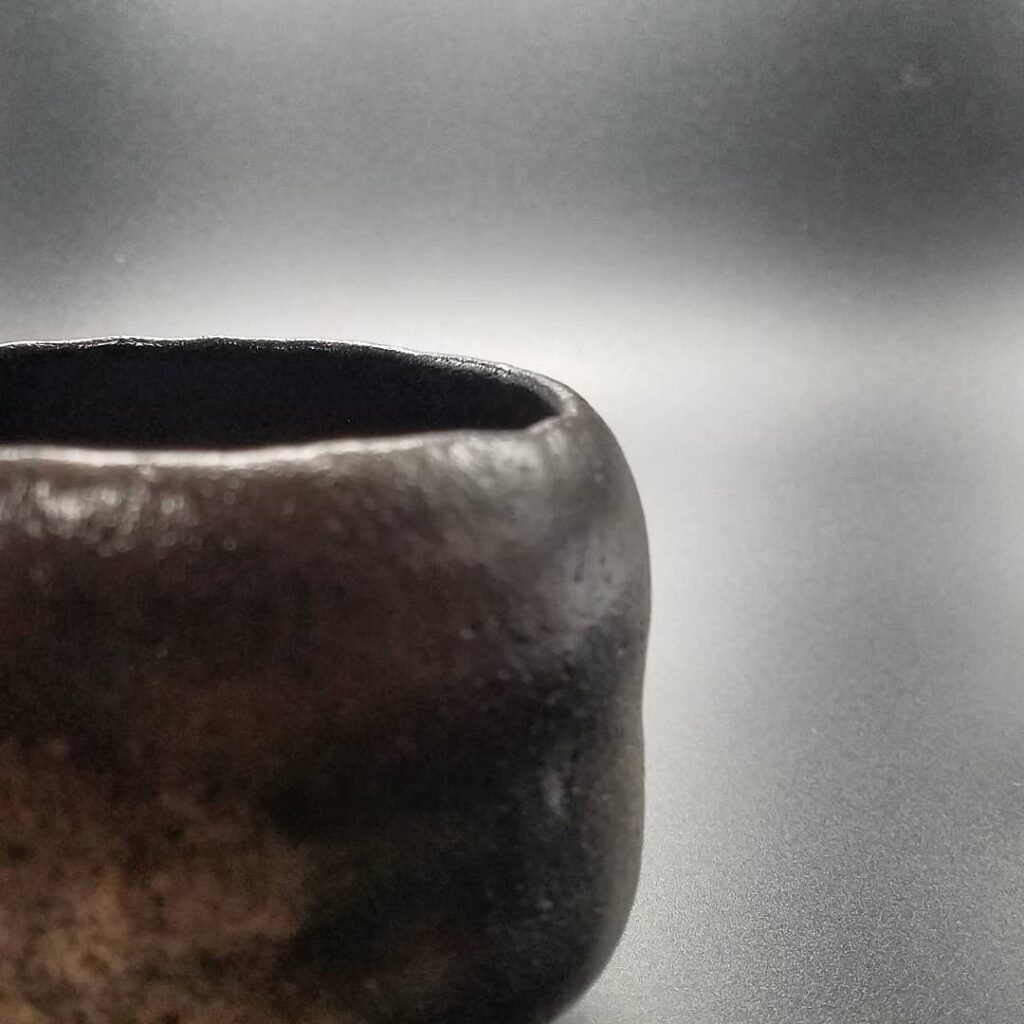
本阿弥光悦作|国宝
この茶碗「不二山」は、本阿弥光悦が手がけた数ある茶碗の中でも、特に高く評価されている名碗です。
内箱の蓋には「不二山 太虚菴(印)」と、光悦自身の筆による書付が残されており、現存する光悦茶碗の中で、作者自らの共箱が伝わる唯一の作品でもあります。光悦茶碗の最高傑作と称される本作は、桃山時代以降に焼かれた茶の湯の茶碗の中でも、格別の品格を備えた存在といわれています。
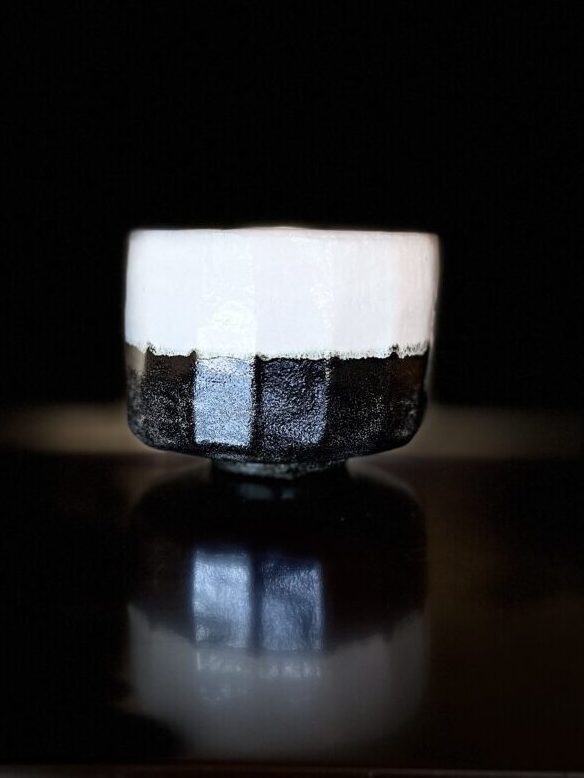
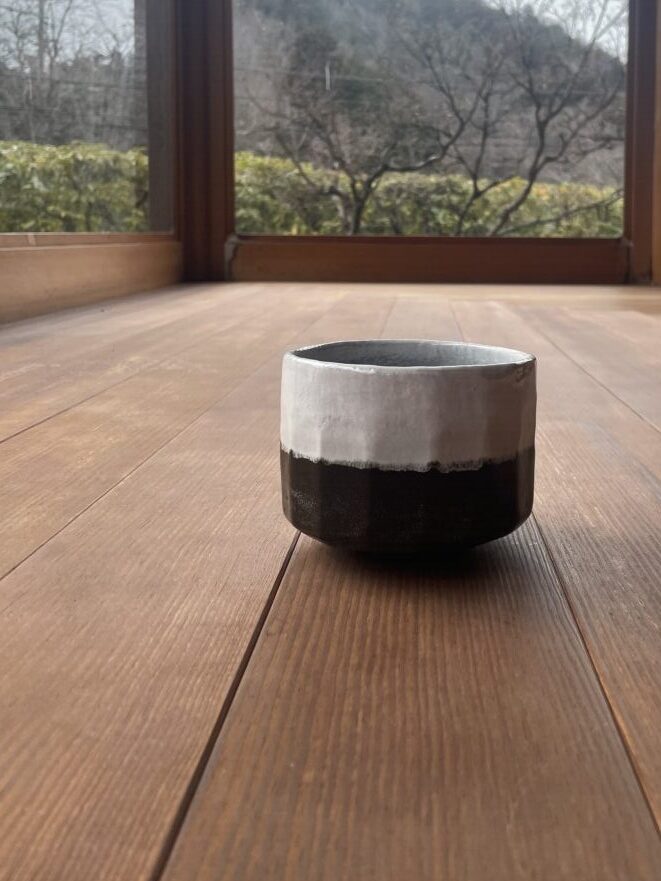
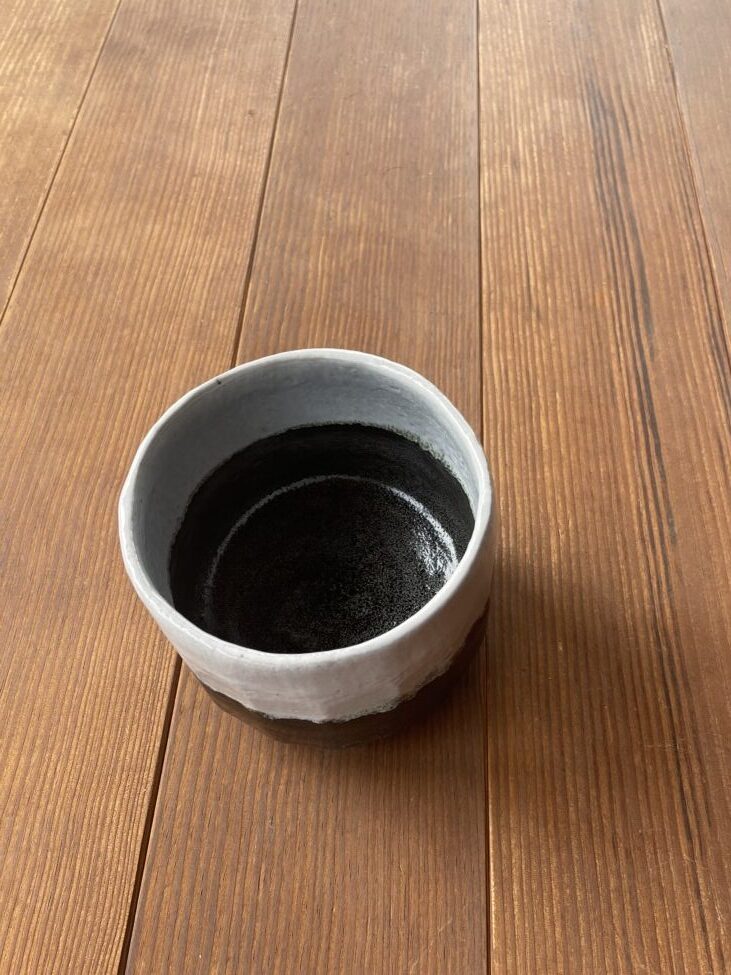
「不二山」という銘は、白雪をいただく富士山の姿を思わせる景色に由来すると同時に、焼成の過程で偶然生まれた片身替の表情が、二つと同じものが生まれない“唯一無二(不二)”の茶碗であることを意味していると考えられています。この銘もまた、光悦自身によって付けられたものと伝えられています。さらにこの茶碗には、心温まる逸話が残されています。光悦の娘が着ていた振袖の残り布で作られた小さな袋に収められ、嫁ぎ先へ持参したと伝えられていることから、いつしか「振袖茶碗」とも呼ばれるようになりました。伝来の詳細は定かではありませんが、天保年間頃には比喜多権兵衛の所持となり、のちに姫路藩主・酒井雅楽頭忠学の蔵へと移り、酒井家に大切に伝えられてきました。茶碗としての完成度の高さに加え、光悦の美意識と家族への思いまでも感じさせる「不二山」。その存在は、今もなお多くの人を魅了し続けています。

Kata-mi-gawari Tea Bowl “Fujisan”
By Honami Kōetsu|National Treasure of Japan
The tea bowl “Fujisan” is regarded as one of the most highly esteemed works among the many tea bowls created by Honami Kōetsu. On the lid of its inner storage box is an inscription reading “Fujisan, Taikyo-an (seal),” written in Kōetsu’s own hand. Among all surviving Kōetsu tea bowls, this is the only example that retains an original tomobako (artist-inscribed box).
Often described as the finest masterpiece of Kōetsu tea bowls, Fujisan is also considered one of the most refined and dignified tea bowls produced for the Japanese tea ceremony since the Momoyama period. Its presence embodies the highest aesthetic ideals of chanoyu.
The name “Fujisan” evokes the image of Mount Fuji crowned with white snow. At the same time, it refers to the accidental kata-mi-gawari (split-glaze) effect created during firing—an appearance that can never be replicated, making this bowl truly one of a kind (fu-ni, meaning “not two”). It is believed that Kōetsu himself bestowed this name and personally inscribed it.
This tea bowl is also associated with a touching personal story. It is said to have been placed in a small pouch made from remnants of a furisode kimono worn by Kōetsu’s daughter, which she carried with her upon marriage. Because of this tradition, the bowl has come to be affectionately known as the “Furisode Tea Bowl.”
Although its early provenance is not entirely clear, the bowl was owned around the Tenpō era by Hikida Gonbei and was later housed in the collection of Sakai Uta-no-Kami Tadakuni, lord of the Himeji domain. It was thereafter carefully preserved and passed down within the Sakai family.
Beyond its exceptional technical and artistic achievement as a tea bowl, Fujisan conveys Honami Kōetsu’s refined aesthetic sensibility as well as his deep affection for family. Even today, this extraordinary work continues to captivate all who encounter it.