お知らせ
News

写-Utsushi-

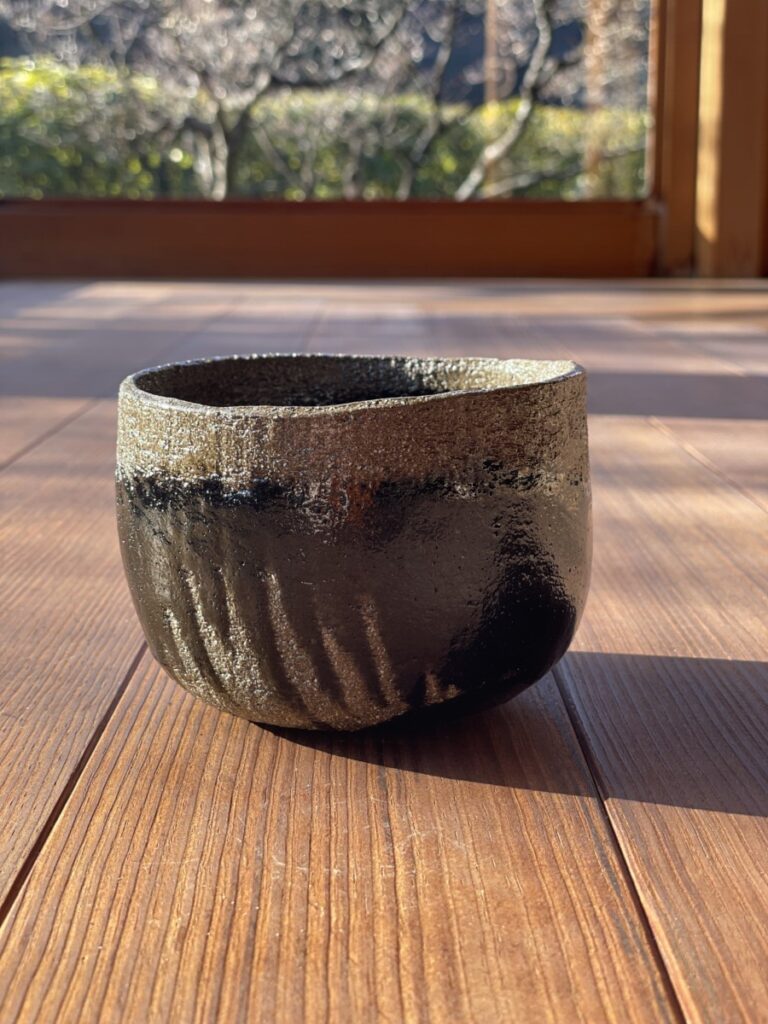
【重要文化財】黒樂茶盌「雨雲」光悦

2026.5.7  写-Utsushi- 

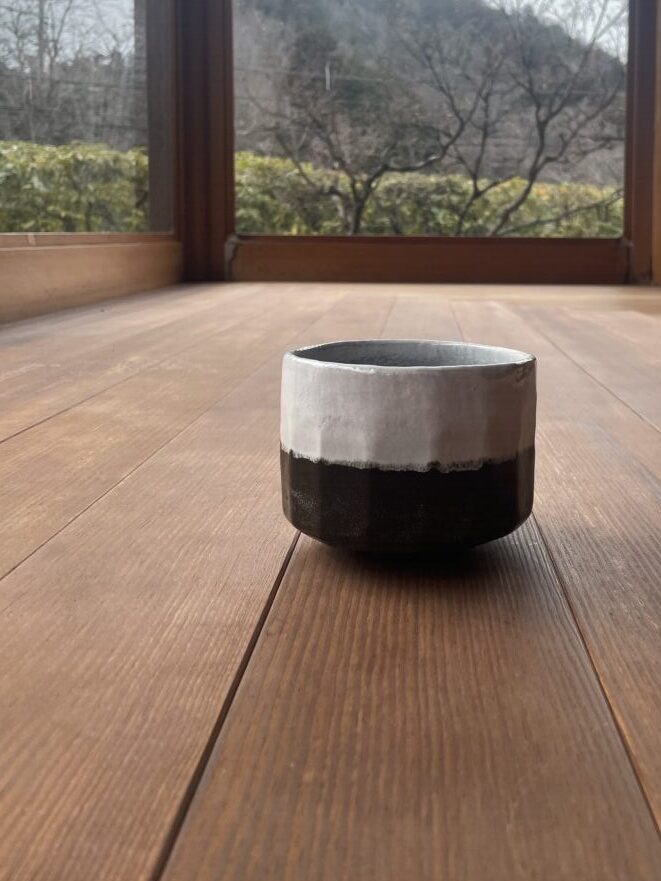
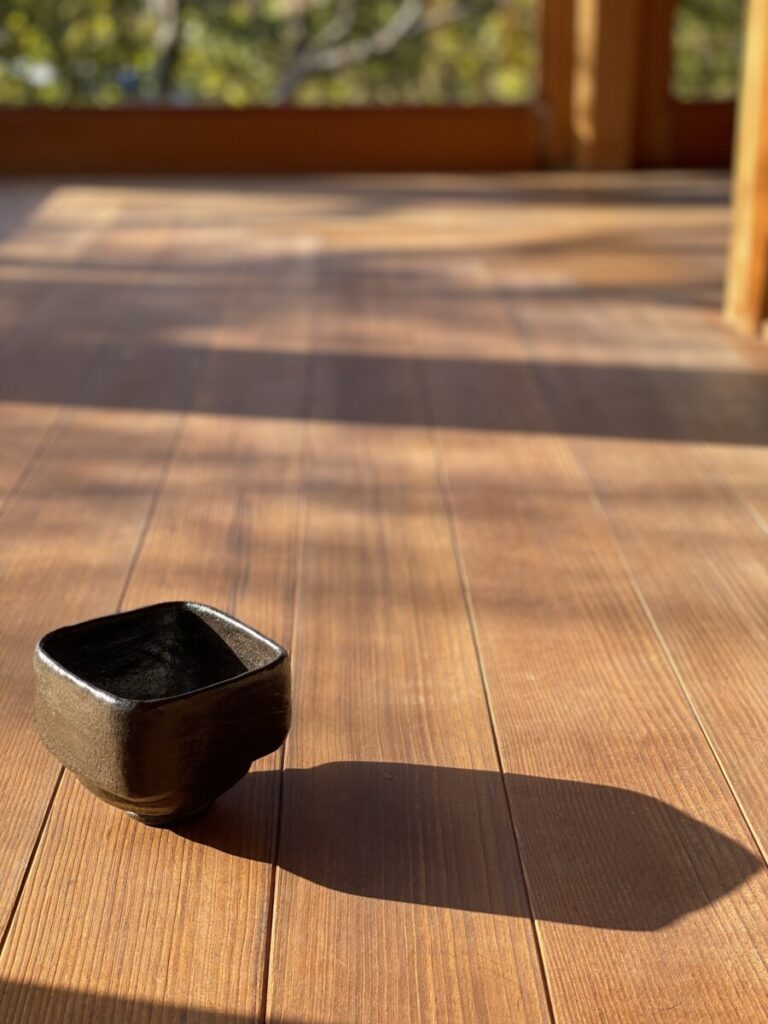
一碗の中に、空の気配や移ろいを感じさせる
「雨雲」
静かでありながら、どこか力強さを秘めた存在

茶碗「雨雲」
江戸初期の芸術家、本阿弥光悦 による作品で、重要文化財にも指定されている名碗です。

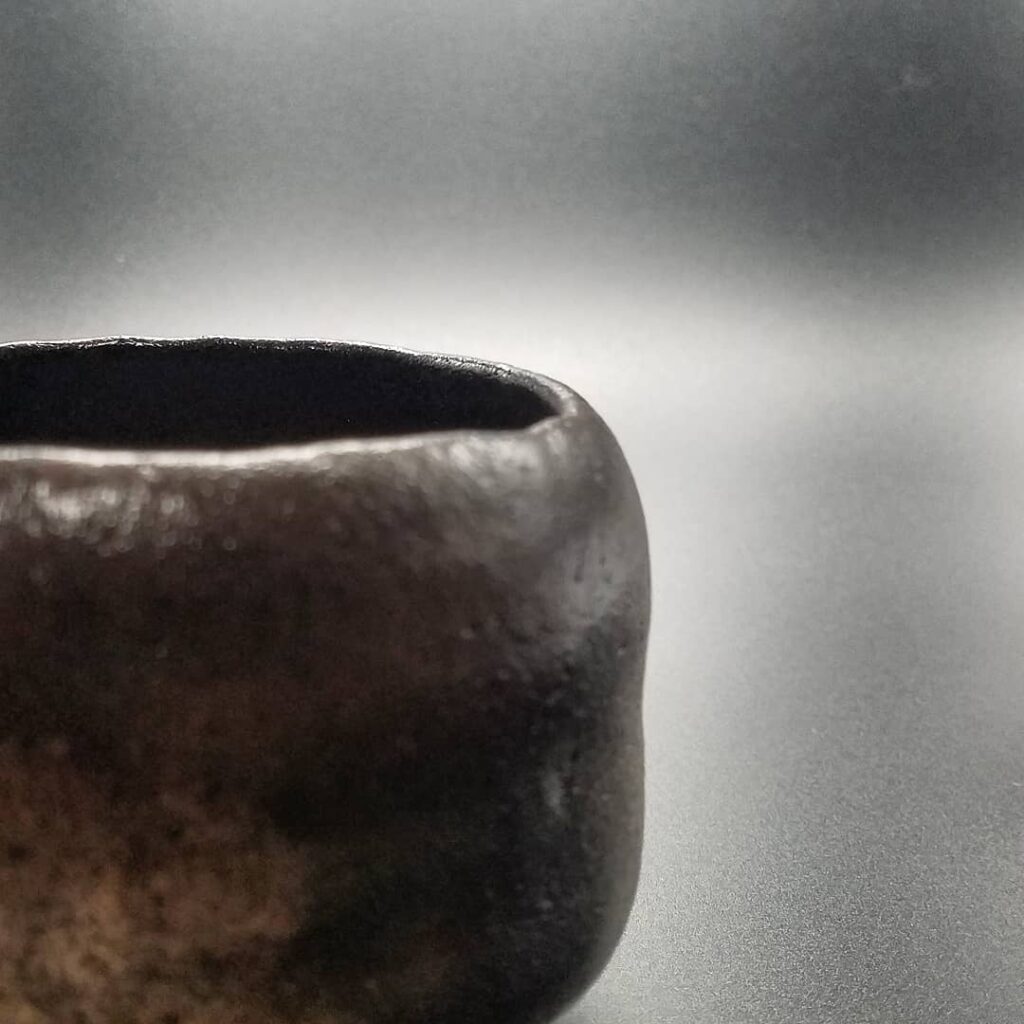
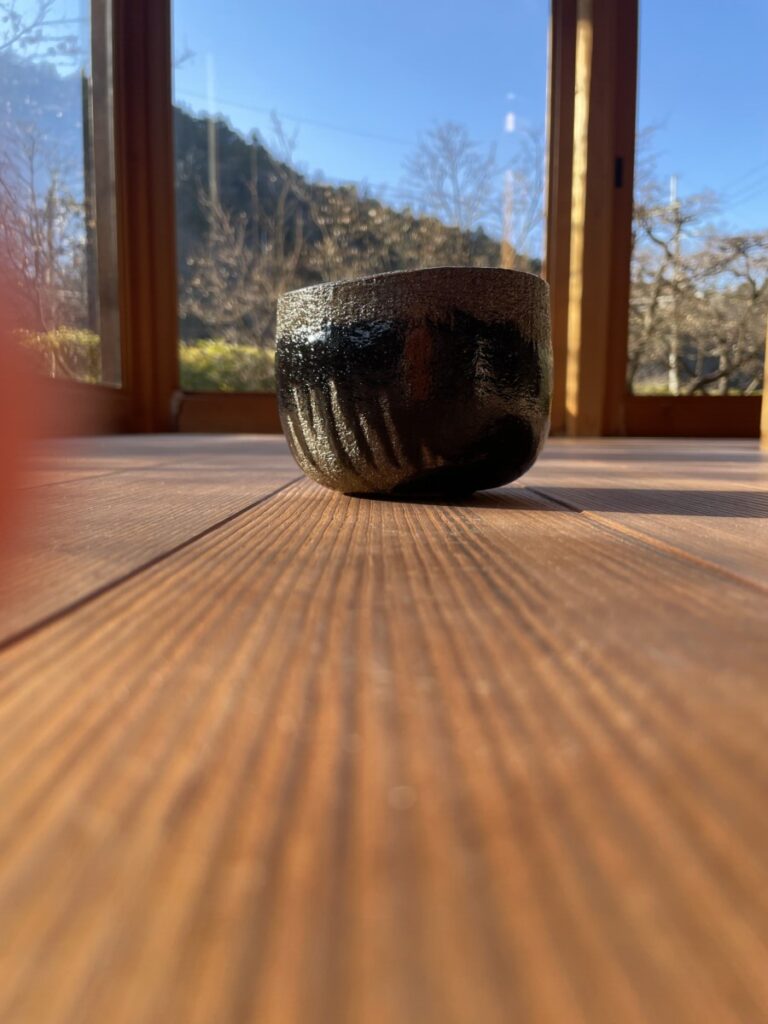
この茶碗は、ろくろを使わず手でかたちを作る「手捏ね」によって生まれました。わずかに歪みを含んだ柔らかな姿は、整いすぎない美しさを感じさせ、光悦ならではの感性が息づいています。

黒釉の深い色合いとその表情は、まるで空に広がる雨雲のよう。見る角度や光によって印象が変わり、静かな景色をたたえています。「雨雲」という銘も、そうした趣から名付けられたのでしょう。
また、茶道家の 覚々斎原叟 が、箱の蓋裏にこの茶碗について書き記しており、光悦の作であることを今に伝えています。

古くは三井家に伝わったともいわれ、長い年月の中で大切に受け継がれてきました。
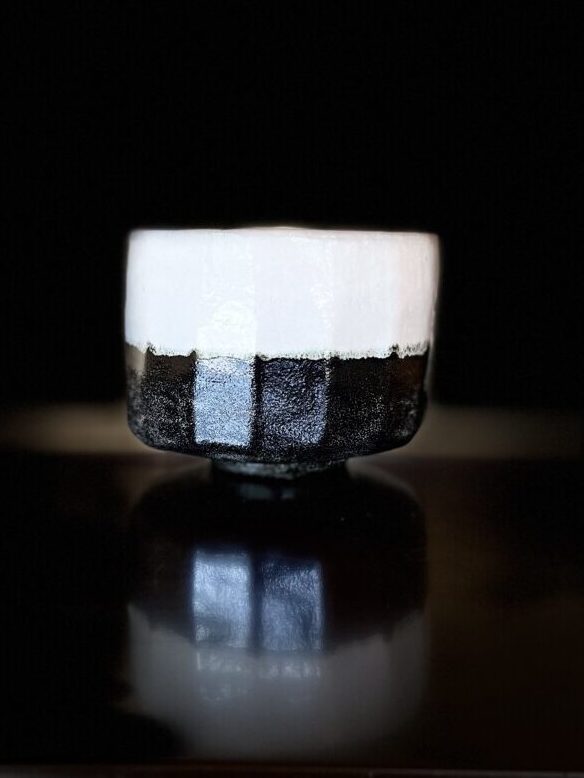
片身替茶碗 銘「不二山」

2026.3.6  写-Utsushi- 

本阿弥光悦作|国宝

この茶碗「不二山」は、本阿弥光悦が手がけた数ある茶碗の中でも、特に高く評価されている名碗です。

内箱の蓋には「不二山 太虚菴(印)」と、光悦自身の筆による書付が残されており、現存する光悦茶碗の中で、作者自らの共箱が伝わる唯一の作品でもあります。光悦茶碗の最高傑作と称される本作は、桃山時代以降に焼かれた茶の湯の茶碗の中でも、格別の品格を備えた存在といわれています。
「不二山」という銘は、白雪をいただく富士山の姿を思わせる景色に由来すると同時に、焼成の過程で偶然生まれた片身替の表情が、二つと同じものが生まれない“唯一無二(不二)”の茶碗であることを意味していると考えられています。この銘もまた、光悦自身によって付けられたものと伝えられています。さらにこの茶碗には、心温まる逸話が残されています。光悦の娘が着ていた振袖の残り布で作られた小さな袋に収められ、嫁ぎ先へ持参したと伝えられていることから、いつしか「振袖茶碗」とも呼ばれるようになりました。伝来の詳細は定かではありませんが、天保年間頃には比喜多権兵衛の所持となり、のちに姫路藩主・酒井雅楽頭忠学の蔵へと移り、酒井家に大切に伝えられてきました。茶碗としての完成度の高さに加え、光悦の美意識と家族への思いまでも感じさせる「不二山」。その存在は、今もなお多くの人を魅了し続けています。

Kata-mi-gawari Tea Bowl “Fujisan”
By Honami Kōetsu|National Treasure of Japan

The tea bowl “Fujisan” is regarded as one of the most highly esteemed works among the many tea bowls created by Honami Kōetsu. On the lid of its inner storage box is an inscription reading “Fujisan, Taikyo-an (seal),” written in Kōetsu’s own hand. Among all surviving Kōetsu tea bowls, this is the only example that retains an original tomobako (artist-inscribed box).
Often described as the finest masterpiece of Kōetsu tea bowls, Fujisan is also considered one of the most refined and dignified tea bowls produced for the Japanese tea ceremony since the Momoyama period. Its presence embodies the highest aesthetic ideals of chanoyu.
The name “Fujisan” evokes the image of Mount Fuji crowned with white snow. At the same time, it refers to the accidental kata-mi-gawari (split-glaze) effect created during firing—an appearance that can never be replicated, making this bowl truly one of a kind (fu-ni, meaning “not two”). It is believed that Kōetsu himself bestowed this name and personally inscribed it.
This tea bowl is also associated with a touching personal story. It is said to have been placed in a small pouch made from remnants of a furisode kimono worn by Kōetsu’s daughter, which she carried with her upon marriage. Because of this tradition, the bowl has come to be affectionately known as the “Furisode Tea Bowl.”
Although its early provenance is not entirely clear, the bowl was owned around the Tenpō era by Hikida Gonbei and was later housed in the collection of Sakai Uta-no-Kami Tadakuni, lord of the Himeji domain. It was thereafter carefully preserved and passed down within the Sakai family.

Beyond its exceptional technical and artistic achievement as a tea bowl, Fujisan conveys Honami Kōetsu’s refined aesthetic sensibility as well as his deep affection for family. Even today, this extraordinary work continues to captivate all who encounter it.

UTSUSHI-写

2026.1.16  写-Utsushi-, 未分類 

Utsushi n’est pas un simple tracé de la forme.

C’est un dialogue à armes égales,

une confrontation sincère menée avec un profond respect pour les anciens,

et une tentative d’entrer en contact avec leur pensée et leur silence.

Se tenir face aux questions laissées par Rikyū,

c’est engager un dialogue avec une sensibilité esthétique

qui demeure vivante au-delà de quatre siècles.

Ce qui est transmis n’est pas la forme,

mais les traces de la pensée —

épurées, choisies, et laissées en suspens.

Ce bol ne reconstitue pas le passé.

Il est utsushi —

une manière de maintenir la question vivante

dans le présent.

UTSUSHI-写

2026.1.13  写-Utsushi- 

Utsushi is not the act of tracing form.
It is a serious dialogue—
a direct confrontation undertaken with profound respect for those who came before,
and an attempt to touch their thought and their silence.
Standing before the questions left by Rikyū,
this practice engages with an aesthetic sensibility
that continues to live beyond four hundred years of time.
What is carried over is not shape,
but the traces of thought—
pared down, chosen, and left behind.
This bowl does not recreate the past.
It is utsushi—
a means of keeping the question alive
in the present moment.

写

2026.1.12  写-Utsushi- 

「写し」とは、形をなぞることではない。

それは、先人への深い敬意をもって向き合い、

その思索と沈黙に触れようとする、真剣勝負の対話である。

利休が遺した問いの前に立ち、

400年という時間の隔たりを越えて、

なお生き続ける美意識と向き合う試み。

写されているのは、形ではなく、

削られ、選ばれ、残された思考の痕跡。

この一碗は、過去を再現するものではない。

いま、この時代において、

問いを生かし続けるための「写し」である。